Using Radiocarbon Dating in Archaeology
From sample selection to modeling and back again
2026-03-16
1 Introduction
This workshop is an introduction to the use of radiocarbon dating in archaeology. Using the example of an excavated cemetery to think about the analytical tools and logic involved, it will introduce means of analysis, both conceptual (how do we think about this problem) and practical (how do we interpret and work with the results of radiocarbon assays). We will cover eminently practical issues:
- what should we date?
- what information should we gather about what we date?
- how many dates do we need?
- what do we do with \(^{14}C\) dates once we have them?
It’s impossible, however, to address these practical issues without engaging with some broader theoretical issues in archaeology: what do we want to know about the human past, how and why is estimating the ages of objects with high precision important in that project, and how can and should we manage uncertainty in making claims about that past?
Let’s begin with an example of the identification and collection of a sample that can be dated using radiocarbon.
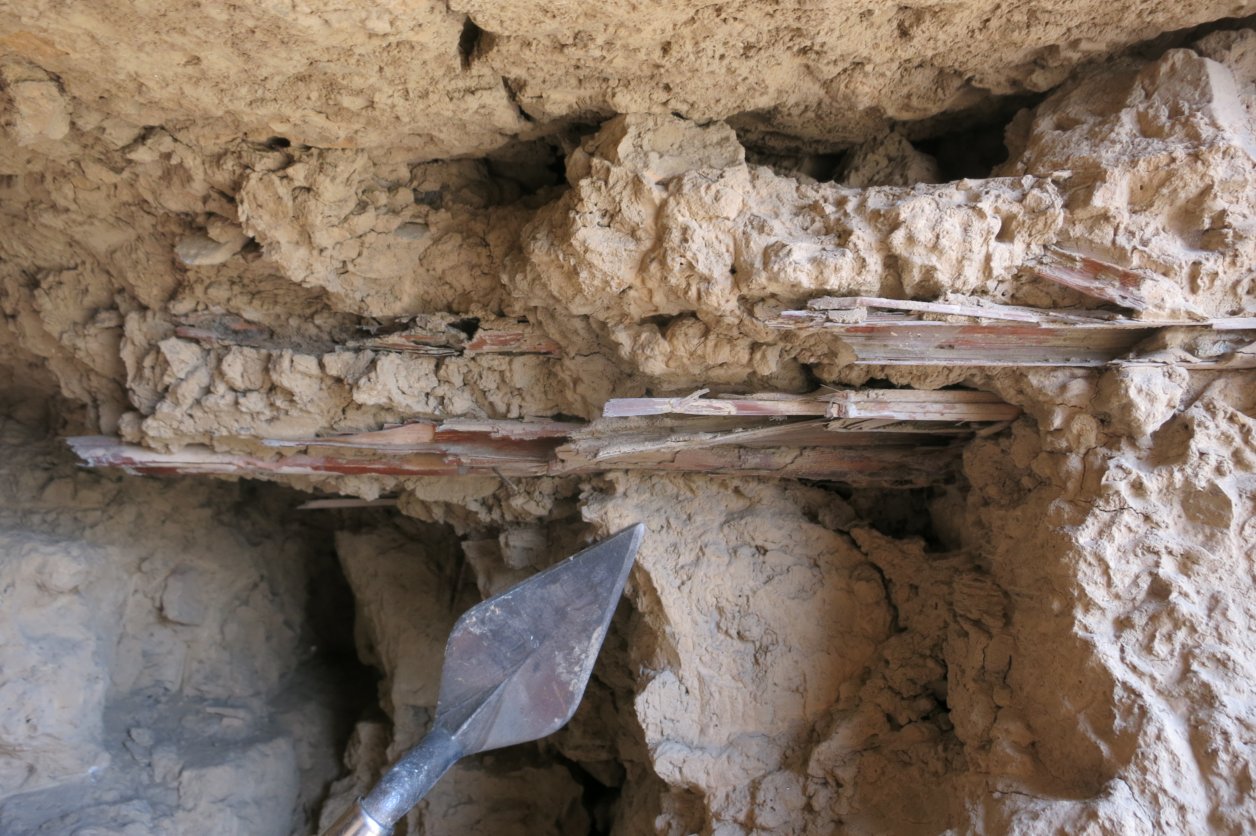
Figure 1.1: Sample identification and recovery.
What are we measuring, if we submit a sample of this cane (Gynerium sagittatum) to a radiocarbon laboratory for analysis? Age. Age of what? The sample that we’ve collected from a context of interest (in this case, cane incorporated into adobe construction). More specifically, we’re measuring the age of the carbon in that cane, which is to say time at which it stopped incorporating (atmospheric) carbon. The age of this sample provides us with a dated event. What is the age we want to know? In this case, the date of construction – this is our target event. How dated event relates to target event is perhaps the most important question that we can ask, and applies as surely to radiocarbon dating of a human burial, a destruction layer, or a maize cob recovered from a midden as it does to a construction event.
In this workshop we will focus mostly on using OxCal to address practical aspects of working with archaeological radiocarbon results (How do I calibrate this date?; Which calibration curve should I use?; How can I get more precise age estimates? etc.). However, you will be a much more effective user of OxCal (or any other tool) if you understand the data that you are working with and are prepared to think hard about your radiocarbon-dated samples - so this workshop will equip you to do that too.